About Pasargad

 Pasargadae(Pasargad)

Begun under Cyrus the Great in about 546BC, the city of Pasargad was quickly superseded by Darius I's magniafication palace at Persepolis.

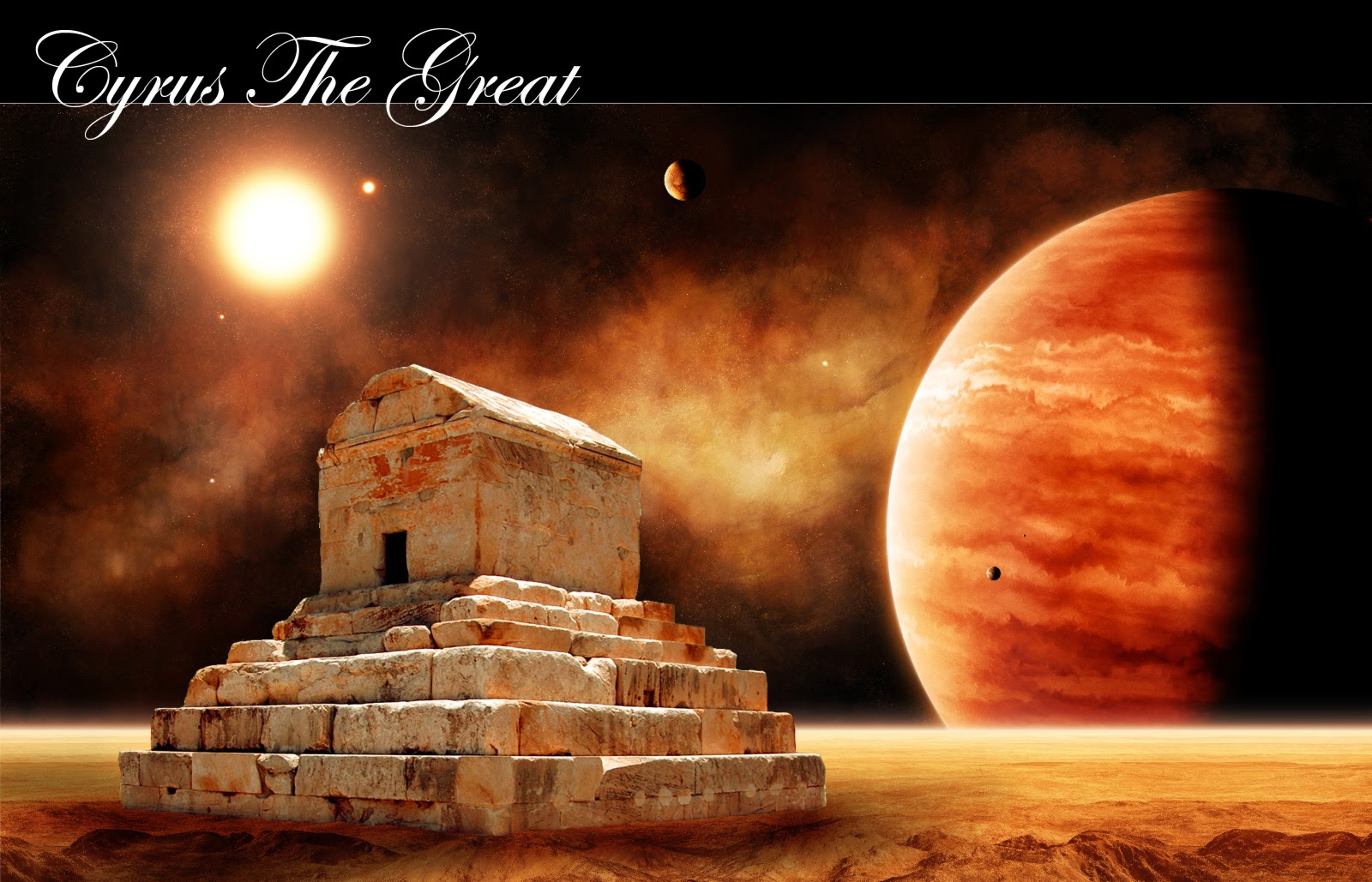
The first structure you'll come across is the (6)six-tiered Tomb of Cyrus .Standing proudly on the windswept plain,this impressive stone cenotaph was orginally much taller than it is now and is still the best preserved of the Pasargad ruins. Legend has it that when Alexander the Great arrived at Pasargad,he was greatly distressed by the state of the tomb and ordered its restoration(1).

Within walking distance of the tomb are the insubstantial remains of three Achaemind Palaces-the Entrance Palace,the Audiencr Palace and Cyrus' Private Palace;the ruins of a tomb on a plinth,known as the Prison of Soloman (Zendan-e Soleiman);a large stone platform on a hill known as the Throne of the Mother of Solomon(Takht-e Madar-e Soleiman);and two stone plinths that originally formed part of a pair of altars within a sacred precinct.Some local historical believe that the references to Solomon date from the Arab conquest, when the inhabitants of Pasargad renamed the sites with Islamic names to prevent their destruction.In both the Audience Palace and in Cyrus'Private Palace there is a cuneiform inscription that that reads:'I am Cyrus, the Achaemenid King'.

 
ادامه نوشته

خاطرات خانم انوشه انصاری در فضا

. ترک کردن مدار (28 سپتامبر)


من مشغول نوشتن آخرین مطلب وبلاگم از مدار هستم و از این موضوع احساسی دوگانه دارم.

ما تازه شام آخر رو در مدار تمام کرده ایم.  مقداری گوجه فرنگی تازه داشتیم که با خودمون با سایوز آورده بودیم و برای وقت مخصوص  ذخیره کرده بودیم. بعلاوه کمی ماهی دودی و بقیه چیزها هم غذاهای معمول فضایی بود. جف ویلیامز،مهندس پرواز برگشت ما به چهاردهمین گروه خدمه ایستگاه برای اغاز دوره ماموریتشوخوش آمد گفت و برای اونها آرزوی موفقی در مدار رو کرد

بعد از آن میشا تورین نطق زیبایی کرد ... فکر می کنم وبلاگ من رو خوانده بود چرا که احساس او بازتاب چیزهایی بود که من نوشته بودم . او در باره این موضوع صحبت کرد که ما مردمانی از کشورهای مختلف ، با پیشینه های گوناگون و فرهنگهای متفاوت اینجا با یکدیگر و در کنار هم حضور داریم و با یکدیگر زندگی و کار می کنیم و رابطه عاطفی مستحکمی رو به وجود آوردیم . او ادامه داد « سرانجام یک روز عمر مفید ایستگاه فضایی به پایان خواهد رسید و از مدار خارج خواهد شد و قطعات آن در جو زمین خواهد سوخت . اما خاطره این ماموریت و دوستیهای ما فراتر از همه اینها دوام خواهد اورد...»

موسیقی STING در زمینه صحبتهای او پخش می شد که آواز معروف “how fragile we are…”  را می خواند. سپس میشا به من گفت که سورپرایز ویزه ای برای من دارد...

او نشان شخصی خودش رو به من داد. نشان ویژه کیهان نوردها و برچسب اسم او به همراه خرس کوچولویی که در هنگام پرواز در کابین ما آویزان بود ، اسم این خرس هم میشا بود  شاید شما هم آن را در فیلم های پرتاب دیده باشید . او به من گفت میشا در حقیقت نوعی حسگر شرایط بی وزنی و گرانش صفر در این سفر بوده است.

حرفهای اون و هدیه ویژه چنان تاثیر گذار بود که نتوانستم جلوی اشک خودم رو بگیرم . من تمام روز سعی کرده بودم تا این موضوع را توی خودم نگه دارم وطوری به کارهام بپردازم که انگار همه چیز مرتبه، اما درونم احساس می کردم در حال از دست دادن چیزی هستم ... این واقعیت داره که زنجیر محبتی در اینجا تشکیل شده که قطع کردن آن به هیچ وجه راحت نیست . طی 10 روز گذشته من با اعتماد کامل زندگی خودم را به دست میشا و لوپز سپرده بودم . اونها فوق العده بودند و مثل برادر مراقب من بودند... اونها این سفر را  برای من فوق العاده کردند و مطمئنم هیچوقت اونها را فراموش نخواهم کرد...

امشب نوشتن برای من خیلی سخته . احساسات و هیجان من اوج گرفته و میلیونها فکر از سرم می گذره و هر چند دقیقه یک بار اشکهام در می آیند و بغض می کنم   دوباره همه رو پس می زنم و سعی می کنم قطار فکرهام رو متوقف کنم...

من هیچ درموقع پرتاب اینقدر احساساتی نشده بودم. فکر می کنم برای شروع آدم مناسبی باشم اما برای پایان ،نه ...

من به گوشه و کنار ایستگاه سرک می کشم و سعی می کنم همه چیز رو و هر چه رو که دیدم و حس کردم در ذهنم و خاطرم حک کنم  .چند بار خودم رو شناور کردم و مثل پرنده ای که خودش رو به دست باد می سپره معلق ماندم تا ببینم به کجا می رسم .

من از پنجره به بیرون نگاه می کردم و با خودم فکر می کردم که چه زمانی ممکنه دوباره چنین منظره ای رو ببینم. سعی کردم چند تا از موسیقی های مورد علاقه ام رو گوش کنم . صبح هنگام صبحانه ، آهنگ (Only if you want to do ) اثر انیا را گوش کردم . این اهنگ منو سرشار از انرژی کرد .  در طی روز من زمزمه موسیقی  “Somewhere over the Rainbow” و  “My Favorite Things.” را می شنیدم.

سعی داشتم بر روی نکات مثبت تمرکز کنم ... فردا بعد از مدتی طولانی می توانم همسرم رو ببینم... خیلی دلم براش تنگ شده . هر دوی ما 6 ماه دشواری رو سپری کردیم ... او بخشی از روح منه . تا پیش از این سفر ما از هم جدایی ناپذیر بودیم ... او تمام مدت سعی کرده بود مردی قوی باشه که تکیه گاه زندگی منه... اما می دانم که اون از درون در چه حالیه و wتا چه حد منقلبه. او زمانی اولین نفس راحت رو خواهد کشید که به اون خبر بدند ما رو سالم از کپسول بیرون آورده اند.

همینطور با خواهرم حرف خواهم زد و به صدای مشتاق و نگرانش  گوش خواهم کرد که چقدر نگران بوده که منو از دست بده... من به او قول دادم  که صحیح و سالم طی چند روز بعد دوباره پیشش خواهم بود... می توانم بگم که اون گریه می کرد اما به سختی سعی میکرد این رو در صداش بروز نده.

فرود معمولا حدود 4 ساعت طول می کشه و این سفری نه چندان راحت به سمت پایین با یک برخورد بزرگ در انتهای ان است . سایوز مثل گلوله کوچیکی از اتش وارد جو زمین خواهد شد بعد چتر ها باز خواهند شد و ضربه ای به کپسول وارد خواهند کرد و سپس چرخ زنان سرعت ما رو تا حدی کم می کنه و در آخرین مرحله موتورهای کوچک فرود روشن می شند و از اینکه ما به شکل یک شهابسنگ به زمین برخورد کنیم ، محافظت خواهد کرد.. من چندان درباره این موضوع نگران نیستم ... چیزهای دیگری است که باید نگران اونها باشم  مثل اینکه چه زمانی دوباره می توانم این آزادی و آرامش را دوباره تجربه کنم....

سفر من به پایان خود نزدیک می شود اما رویای من تازه آغاز شده است.

شما در پیامهای خودتون به من گفته بودید که کار من برای شماالهام بخش بوده... خوب باید به شما بگم که همه شما هم برای من الهام بخش بودید. هر بار که ناراحتی و اندوه جدایی از ایستگاه فضایی سراغم  میاد به یاد یکی از پیامهای شما می افتم و از خودم بیرون میام و به جلو نگاه کنم که چه کارهایی رو ما با یکدیگر می توانیم انجام بدیم.

شاید همه اینها نشانه ای در خود داشته باشه. سفر ناگهانی من به مسکو و تغییر خدمه پرواز در اخرین لحظه . شاید تقدیر من بود که چون زنگ ساعتی برای بیداری هر کسی ، صدای که در درون اون درآرم و یادآوری کنم که همه شما می توانید شروع به تغییر دنیا و تبدیل اون به محلی بهتر برای زندگی همه ما کنید...

شاید بعهده من بوده تا الهام بخش دانشمند جوانی باشم که تبدیل به یکی از کسانی خواهد شد که با نیروی خودش بالا میآد و رشد می کنه. شاید با من بوده تا به یاد همه بیارم که همه ما امکانات نا متناهی در پیش رو داریم . شاید ...شاید .... شاید....

اندیشه های زیادی از سرم می گذره و مطمئن نیستم تصمیم داشتم چه چیزی باشم یا چه کاری انجام دهم ... من هیچوقت حرکاتم رو محاسبه نکرده ام و برای ان تا دوردستها طرح نریختم...  من به طور معمول مجموعه ای از اهداف رو در ذهنم مرتب کردم و بعد به صدای درونم اجازه دادم تا منو به سوی این سرنوشت راهنمایی کنه. .. من همیشه در قلبم می دونستم که به فضا خواهم رفت ، اما هیچوقت دقیقا نمی دونستم چطور. اما همیشه به همه می گفتم که چقدر عاشق فضا هستم و می خواهم روزی به فضا بروم و سرانجام راهش رو پیدا کردم....

مقصد فردای من زمینه ... اما زمین همون زمینی نیست که اون رو ترک کردم . اکنون این زمین کمی بهتر شده چرا که اندکی عشق بیشتر در آن به وجود آمده . من می توانم این رو از جملاتی که برای من در ایملهاتون فرستادید ببینم... من تنها امیدوارم به رشد این موج انرژی مثبت کمک کرده باشم . موجی که باید اون رو آغاز کنیم و مطمئن باشیم مردمان بیشتر و بیشتری رو در بر خواهد گرفت.

می گویند بخند تا جهان به تو بخنده .... من بر مبنای تجربه خودم به شما می گم این موضوع حقیقت داره ... من بارها و بارها گفته ام که خنده من مسری است ... من امیدوارم این خنده به شما هم سرایت کرده باشه وقتی شما به  دیگران میخندید، گفتن «نه » به شما سخت تر می شه یا سخت تر می توانند از شما متنفر بشند... یا به شما صدمه بزنند.

بنابراین امشب که به رختخواب می رید با لبخندی این کار رو بکنید و ببینید فردا ، زمانی که از خواب بلندمیشید ، چه احساسی خواهید داشت... فراموش نکنید لبخندتان رو تا آخر روز حفظ کنید.... و تا زمانی که می شنوید که من فرود آمده ام ....

زنگیتان طولانی ،کامکار و شاد باد دوستان من....

The World Celebrates Astronomy

People are uniting this April for Global Astronomy Month 2012, a planetwide celebration of astronomy designed to bring people together through star parties, music and artistic performances, web observing events, and more.

Sky & Telescope Magazine
March 28, 2012
by Mike Simmons

Global Astronomy Month returns this April with its month-long celebration of astronomy. This third edition of the annual Astronomers Without Borders event has over 30 programs scheduled with something for just about everybody: public skywatching parties with telescopes large and small, their proud owners showing the Moon and planet to crowds at night; Sun-viewing gatherings around filtered telescopes during the day; public talks about astronomy; hands-on telescope demonstrations; and much more. See a sampling of programs offered across the globe in this trailer.
Global Astronomy Month is a direct descendant of 100 Hours of Astronomy, the historic Cornerstone Project of the International Year of Astronomy 2009 that captured the world’s attention in early April of that year. The first Global Astronomy Month in 2010 sought to reignite the spirit of that unprecedented event. In 2011, enthusiasts in more than 140 countries took part, coming together in the spirit of Astronomy Without Border’s slogan, One People, One Sky.


Public star parties are always the most popular way to share our sky with others, and there are plenty of programs encouraging them. The month begins on Sunday with SunDay, putting our closest star in focus, and Lunar Week, watching the waxing Moon as it grows to full on Friday the 6th. The Global Star Party on April 28th is the granddaddy of them all, with amateur astronomers coming out worldwide as darkness sweeps around the Earth. Everyone is invited to share their observations through blogs and social media and see what their international compatriots are doing.

Thirty Nights of StarPeace takes connectivity even further, bringing together star parties in similar longitudes. Every 3 nights, countries in one of 10 longitude segments will have the chance to organize observing events that transcend their borders. This moving slice of star parties will travel westward from the International Dateline throughout the month until it circles the globe.

Global Astronomy Month 2012 also includes six online observing events hosted by Dr. Gianluca Masi of the Virtual Telescope project, run by the Bellatrix Astronomical Observatory in Italy. The online Messier Marathon again opens the month, and a search for new asteroids and the chance to name a new object closes it with “Write Your Name in the Sky.” All sessions include a chat box for Q&A with Masi, and participants from around the world share their thoughts as well. There are more online programs of various types, both live and recorded.

Global Astronomy Month 2012 is an important time to teach the public about the importance of preserving our night sky, and several programs promote dark skies awareness. Some efforts seek to get out information, such as the 365 Days of Astronomy podcasts, and others focus on hands-on activities like Globe at Night. The International Earth and Sky Photo Contest organized by The World at Night returns, too, looking for the best wide-field photographs of Earth and sky that show either the beauty of a dark sky or the problem of light pollution.

Last year’s programs highlighting astronomy and the arts were very popular, so this year boasts an expanded offering. The planned live performances include the Cosmic Concert, featuring original music by composer and performer Giovanni Renzo against a backdrop of images from The World at Night. OPTICKS also returns with images reflected off the Moon and retrieved by radio dishes. There are video presentations with Q&A, as well as an astropoetry contest and various classroom activities.

Don't forget to check out the Global Astronomy Month Blog, which will present 30 different perspectives on astronomy from around the world with a new blogger each day throughout April. From amateurs to astronauts, from local activists to famous bloggers, from countries and cultures around the world, the blog will cover topics as diverse as the world of astronomers who take part.

Whether you take an active role in organizing an event or just join in the fun, Global Astronomy Month 2012 has a program you’ll want to be a part of. Connecting us all through our common passion for astronomy — the mission of Astronomers Without Borders — is the ultimate goal. Astronomy is something we can share across all cultures, even at a distance, and learn about each other in the process. Wherever we are, we share the same sky.


Mike Simmons is a contributing editor to S&T and the founder of Astronomers Without Borders. He also co-chaired 100 Hours of Astronomy, the IYA2009 Cornerstone Project that kick-started Global Astronomy Month.

میزگرد نمایندگان اتحادیه‌های دانشجویی با موضوع انتخابات مجلس در دانشگاه فسا

به همت انجمن اسلامی دانشجویان دانشگاه فسا برگزار می‌شود
میزگرد نمایندگان اتحادیه‌های دانشجویی با موضوع انتخابات مجلس

خبرگزاری فارس: نمایندگان اتحادیه بزرگ دانشجویی کشور طی میزگردی از انتخابات مجلس و برسی مسائل کشور خواهند گفت.


جناب آقای مرتضی روحانی دبیر عقیدتی سیاسی انجمن اسلامی دانشجویان دانشگاه فسا در گفت‌وگو با خبرنگار گروه دانشگاه خبرگزاری فارس، گفت: این تشکل دانشجویی میزگردی با حضور دبیران اتحادیه بزرگ دانشجویی کشور ازجمله مهدی امیریان دبیرتشکیلات دفتر تحکیم وحدت، علی پهلوان دبیرکل اتحادیه جامعه اسلامی دانشجویان، رامین شمسایی عضو شورای تبیین مواضع بسیج دانشجویی تهران بزرگ و دبیر جنبش عدالتخواه دانشجویی برگزار می‌شود.


این میزگرد ساعت ۱۳:۳۰ شنبه هفته آینده در دانشگاه فسا برگزار خواهد شد.
http://www.farsnews.com/newstext.php?nn=13901202000912

Mr Asghar Kabiri,2006 ASP Annual Award Winner

Las Cumbres Amateur Outreach Award
Mr Asghar Kabiri
Sa'adat-shahr, Iran
Asghar Kabiri is a teacher in Sa'adat-shahr, a small rural town in the Fars Province in southern Iran, about 400 miles south or Tehran, a type of town to be found throughout the world, off the main roads and quite isolated in appearance to the rest of "civilization." But this is an astronomy town, one with a community wide passion for astronomy and for astronomy education, truly unique. Kabiri has brought this amazing creation to life since 1991.
He introduced astronomy to his students, and to the whole town, organizing star parties, lectures, slide shows. The local imam even announces these events and as well as current events in the night sky. The town turns off all of its electricity during these star parties and for special events -- truly a way to cut light pollution to zero. He has helped the town to create its own observatory. Locals donated to create this facility, from teacher and construction workers to the local women selling their jewelry to raise funds for the construction.
He has been recognized not only in Iran but in the international press for his achievements. A national conference as held in the town in 2001, and since then his and the town's story has been told in articles in Iran and beyond, in an article for Mercury from example, in the Jan/Feb 2003 issue, by Michael Simmons, who has visited Iran on a number of occasions, and by Reuters, CNN (October 13, 2005 on CNN.com), Yahoo, AOL, and others. Several astronomers have visited the town, on the occasion of the transit of Venus in mid 2004, and were lavishly welcomed by the citizens with signs, and local events. A number of American amateur astronomers and clubs have donated to the town after hearing the story and in recognizing the tremendous accomplishments of Asghar Kabiri in bringing astronomy to the town and to Iran. He indeed has brought astronomy to the lives of children and the public, a model for others to emulate.
Babak Tafreshi, editor of the Nojum astronomy magazine in Iran has noticed subscriptions increasing and his bedtime television show has the highest viewer figures on Iran's Channel Four. Astronomy has a strong historical resonance for Iranians, where most of the astronomers are young and where about 60 percent are female. Amateur astronomy is alive in Sa'adat-shahr and in Iran in a large way because of Asghar Kabiri's extensive and effective outreach efforts.
Source: http://www.astrosociety.org/membership/awards/06winnerspub.html

شعری بسیار زیبا از جناب آقای میلاد عرفان پور

 این شعر  بسیار زیبا را جناب آقای میلاد عرفان پور تقدیم به خانواده ی شهید مصطفی احمدی روشن نموده اند و در همایش دفتر تحکیم وحدت در دانشگاه علامه طباطبایی تهران قرائت نمودند ,از دیدنشان بسیار خوشحال شدم و برای شان آرزوی موفقیت میکنم:

امشب از داغی دوباره چشم تهران روشن است

یوسفی رفته است ،آری وضع کنعان، روشن است

گرچه در بزم حماسه ، هیچ جای گریه نیست

در هجوم شعله ها، تکلیف باران، روشن است

باز شمعی کشته شد با دست شب اما هنوز

این شبستان کهن ، با نورایمان روشن است

کی میان ابرهای تیره پنهان می شود؟

آسمان ما که با خون شهیدان ،روشن است

مصطفی هم رفت، آری! او هم اینجایی نبود

مردهای مرد را آغاز و پایان ، روشن است


بکشید ما را ، ملت ما بیدار تر می شود.

امام خمینی(ره)

A trip to Tehran with Students of Islamic Society of Fasa University

We had a trip from Fasa to Tehran to participate in the conference  with seven friends. The team was included four boys and three girls.
The main subject of the conference was about Vote and The Rights of Voters. Of course we heard different statement and various ideas about other subjects like Economical Problems, Analyses of Previous Majleses of Iran ,Comparing the Presidency of Amadi-nejad with Previous Presidents after Revolution ,The Policy of Islamic Societies ,Analyses of Reasons of Killing Iranian Nuclear Scientists and The Silence of International Human Right Societies ,The Reactions of Government after Green Revolution of Mir-hossein Musavi ,The duties of Students Islamic Societies for Recently Voting ,…etc.

The special politicians guests were Dr Tavakkoli ,Dr Mahjoob ,Dr Abu-taleb ,Dr Ali Motahhari ,Dr Kuchak-zadeh ,… .
With best regards to Dr Amirian The Manager of Islamic Societies at Universities of Iran and special thanks for his favors.
A great surprise and coincident for me was seeing my dear poet friend Milad Erfanpoor and thanks for his fabulous poem that was gifted to Dr Ahmadi-roshan’s(Iranian Nuclear Scientist) family.

The members of our team were Mohsen Farvardin ,Morteza Rohani,Ahmad Bahar,Miss Meftahi ,Miss Talebi-nia,Miss Farshan and me.

The conference  was continued two days(16 and 17 February 2012) and after that we returned to Fasa.

Best Wishes.

Soheil Salimi-Civil Engineering Student of Fasa University

مهدی جان

جانم فدای شما.آقا جان هوامونو داشته باش.(please)

Soheil means Canopus star that is symble of rare thing in persian literature

Canopus is the second-brightest star in Earth’s sky. But many in the northern hemisphere never see it, because Canopus is located far to the south

Soheil means Canopus star that is symble of rare thing in persian literature

How to see it

The second-brightest star in all the heavens, as seen from Earth, Canopus is located far to the south on the celestial sphere, the imaginary sphere of stars surrounding Earth. Hence observers in the northern U.S. and similar latitudes never see it, while observers at latitudes like those in the southern U.S. enjoy this star in the evening only during the winter months. Canopus is almost directly south of Sirius, the brightest star of the nighttime sky. So when Sirius is at its highest point to the south, Canopus is about 36 degrees below it.

Will you see it? It depends on how far south you are, and what time of year you’re looking. If you’re in the far southern U.S., you’ll have no trouble finding Canopus on winter evenings. Just look to the south, below brilliant Sirius. At the end of December, Canopus stands at is highest point to the south after midnight. A month later it reaches that point at about 10 p.m. By the beginning of March it is due south at about 8 p.m., although the exact timing on all of these dates depends on the observer’s geographic location.

Meanwhile, Canopus never even rises above the horizon for locations north of about 37 degrees north latitude. In the United States, that line runs from roughly Richmond, Virginia; westward to Bowling Green, Kentucky; through Trinidad, Colorado; and onward to San Jose, California – just south of San Francisco.

Of course, for observers in the southern hemisphere it is an entirely different story. From latitudes south of the equator, both Canopus and Sirius – the sky’s two brightest stars – appear high in the sky, and they often appear together. They are like twin beacons crossing the heavens together. The sight of them is enough to make a northern observer envy the southern skies!


History and Myth

As Alpha Carinae, Canopus is the brightest star in the Keel, a part of the former constellation of Argo Navis, the ship of Jason and his famed Argonauts. Canopus originally marked a keel or rudder of this ancient celestial ship. Alas, the great Argo Navis constellation no longer exists. Modern imaginations see it as broken into three parts: the Keel (Carina, of which Canopus is part), sails (Vela) and the poop deck (Puppis).

For those far enough south to see it, Canopus was a star of great importance from ancient times to modern times as a primary navigational star. This is surely due to its brightness.

The origin of the name Canopus is subject to question. By some accounts it is the name of a ship’s captain from the Trojan War. Another theory is that it is from ancient Egyptian meaning Golden Earth, a possible reference to the star’s appearance as seen through atmospheric haze near the horizon from Egyptian latitudes.

Science

According to data obtained by the Hipparcos Space Astrometry Mission, Canopus is about 313 light-years away. Spectroscopically, it is an F0 type star, making it significantly hotter than our sun (roughly 13,600 degrees F at its surface, compared to about 10,000 degrees F for the sun). Canopus also has a luminosity class rating of II, which makes it a “bright giant” star much larger than the sun. (Some classifications make it a type Ia “supergiant”.”) Placed side by side, it would take about 65 suns to fit across Canopus. Although Canopus appears significantly less bright than Sirius, it is really much brighter, blazing with the brilliance of 14,000 suns! With non-visible forms of light energy factored in, it surpasses the sun by more than 15,000 times.

Although its exact age is unknown, Canopus’ great mass dictates that this star must be near the end of its lifetime, and is likely is a few million to a few tens of millions of years old. Compared to our sedate middle-aged 5-billion year old sun, Canopus has lived in the fast lane and is destined to die young

source: http://earthsky.org/brightest-stars/few-know-the-second-brightest-star-canopus   

یار با ماست.

بی همگان به سر شود

بی تو به سر نمی شود....

فعلا که یار با ماست 

چه حاجت که زیادت طلبم.....!